|
|
|
|
|
|
Leisure Garden Newsletter
|
Welcome to our triannual bulletin.
Inside this issue:
New season / Noticeboards / Composting/ Water Conservation / Recipes
|
For all Leisure Garden enquiries please contact Jackie Fawcett by email:
|
|
admin@haydonwick.gov.uk or telephone: 01793 722446
|
|
|
|
|
Welcome to the 6th edition of our Leisure Garden Newsletter.
|
|
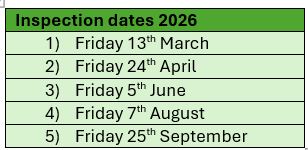
After what feels like a long winter, we are delighted to say that brighter days are finally ahead. Spring is on its way, and with it comes the promise of warmer weather and longer days on the plot. A sure sign that the growing season is upon us — the grounds team have already been busy visiting each site to turn the water back on, and the administrator and site reps have completed their first inspections of the year.
|
|
|
|
|
|
Noticeboards
|
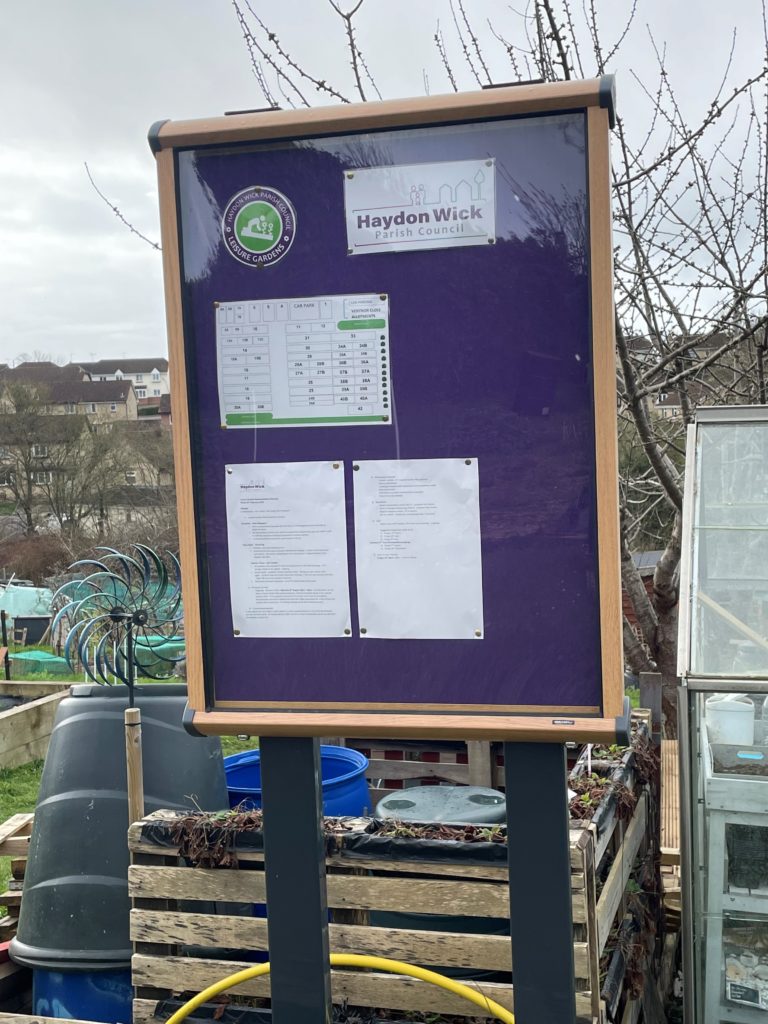
You may have noticed that each site now has a brand new noticeboard. We hope these will become a valuable communication hub for all plot holders, so please do make a habit of checking them regularly.
|
|
You will find a range of useful information posted there, including inspection and competition dates, contact details, and information on upcoming events. We will also include the leisure garden representative meeting minutes, so you can stay fully up to date with what is being discussed.
|
|
|
|
|
|
Conserving Water...
|

|
|
It may seem odd to be writing about saving water when we are being deluged with rain, but as you know it doesn't take much before the water companies start issuing restrictions.
|
|
Apart from the obvious installation of water butts, there are various measures you can take to reduce the amount of water you need to use.
|
|
Mulching will minimise the evaporation of water from the soil. Straw or compost are good for this, also cardboard. Consider going no dig as this improves the soil structure which means it holds more water, and the addition of organic matter every year helps greatly in the reduction of watering.
|
|
Target your watering, water at the base of plants where possible either early in the morning or late in the evening.
|
|
Avoid water hungry plants and try and group plants with similar water needs together.
|
|
Keep your plot weed free - weeds compete for water.
|
For those of you with water butts, a solar powered irrigation system is a great way to both save water and to help reduce disease problems as the plant foliage remains dry.
|
Ventnor Close Leisure Garden Representative
|
|
|
|
|
|
The National Allotment Society
|
|
|
March marks the start of spring, with longer days and early signs of growth. It is the perfect month to prepare and energise your allotment - sow seeds under cover, tidy beds, improve soil, and support wildlife - laying the foundation for a productive year.
|
When to Use Cardboard on Your Allotment
1. As a Weed Barrier
Cardboard is excellent for smothering perennial weeds before planting. Lay sheets over the soil in late winter or early spring to block sunlight. Overlap the sheets to avoid gaps, and wet the cardboard to keep it in place.
Tips:
|
- Avoid tape, staples, or glue—they can prevent decomposition and leave residues.
- Plain brown cardboard works best; coloured or glossy cardboard can introduce unwanted chemicals.
- Secure the sheets properly—unpinned cardboard can blow around, making plots untidy over winter.
2. Preparing New Beds
Cardboard acts as a biodegradable mulch for new beds, particularly on grass or overgrown soil. It smothers unwanted vegetation while slowly breaking down, enriching the soil underneath.
Worms and ecosystem benefits:
|
- Encourages worms, which aerate the soil and transfer nutrients.
- Supports microbial life and soil structure.
- Over time, improves fertility—even if the bed doesn’t look neat immediately.
3. Between Crop Rotations
After harvesting, lay cardboard over empty plots in autumn. This prevents weeds from taking over, protects soil from erosion, and helps maintain nutrients. By spring, the cardboard will have begun to decompose, leaving the soil fertile and ready for planting.
4. As Compost or Mulch
Shredded cardboard is an excellent carbon source for compost, balancing nitrogen-rich vegetable scraps. It can also be used as mulch around plants to retain moisture and gradually feed the soil.
Tip:
Stick to plain cardboard, free from plastic tape, staples, or food residues.
|
|
|
|
|
|
|
STEAMED HEDGEROW BERRY SPONGE
|
|
Cream together the butter and the sugar.
|
|
Gradually add the beaten eggs.
|
|
Sieve and fold in the flour and baking powder.
|
|
Line a pudding basin with greased greaseproof paper.
|
|
Place the berries in the base followed by the sponge mixture.
|
Cover securely with greased greaseproof paper.
|
Steam for 1 hour in a bain marie placed into a hot oven.
|
|
'This is a great way of using up all of your left over hedge row berries in your freezers at the end of the season for pies, tarts, crumbles and preserves. This recipe can also be cooked as individual puddings in regular tea cups, along with lashings of hot creamy custard.'
|
|
|
Seasonal recipe kindly supplied by John Bridgeman25/2026 Season.
|
|

|

|
|
|
|
|
Next Leisure Garden Social Event
|
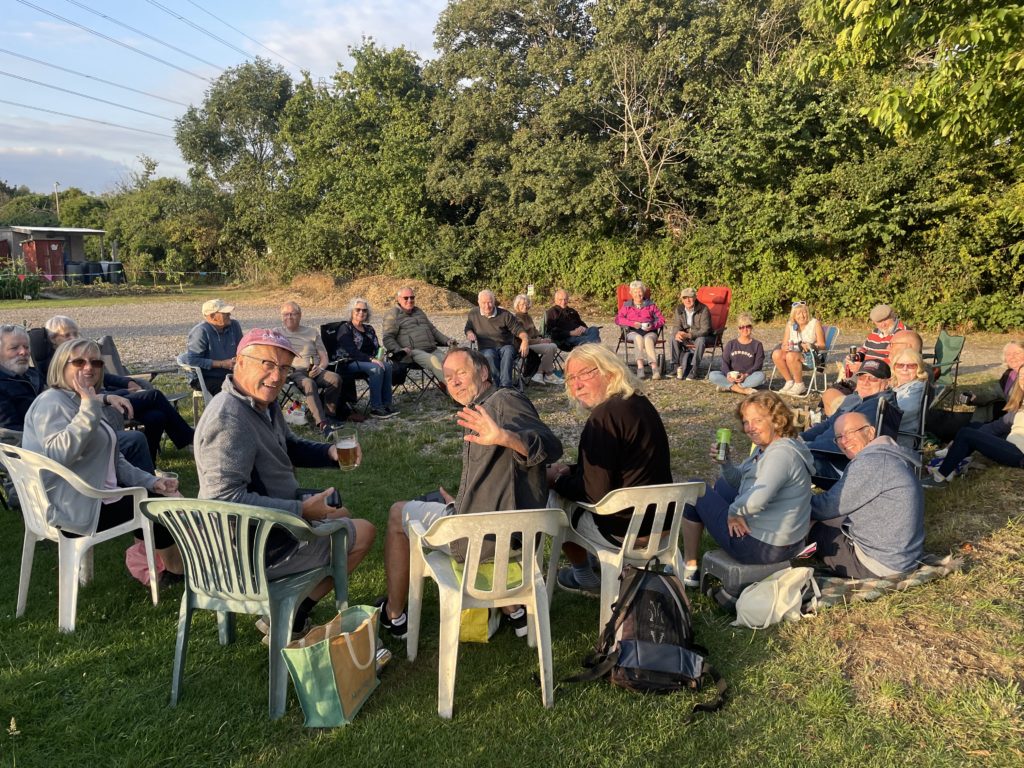
Watch this space - check your noticeboards after Easter to find out when our next social event will be - May 2026 @ Ventnor Close site. All plot holders are welcome.
|
|
|
|
|
|
John Sheppard's Top Tip:
|
|
If you have a top tip - please send it to Jackie to be included in the next edition.
|
|
Spring tip:
|
Looks like spring has sprung so time to get potatoes in and ready plots for planting!
|
|
|
|
|
|
Survey Results...
Thank you to everyone who took the time to complete our recent questionnaire. We received 9 responses in total — while we appreciate all feedback, we unfortunately did not receive enough replies to organise a group trip on this occasion. We hope to revisit this in the future, so please do encourage fellow plot holders to take part when the next survey comes around!
|
|
On a positive note, 90% of respondents were aware of who their leisure garden representative is — great to see!
|
|
When asked about the most important site improvements, members highlighted bark chipping and communal composting as the top priorities, and these will be fed into our ongoing discussions.
|
In terms of social events, there was a clear appetite for a Summer BBQ, with 8 members expressing interest, followed by a Harvest Event (6 members) and a guest speaker (1 member). We will look to build on this enthusiasm in the coming months.
|
|
|
|
|
|
SUMMER EVENT 2026
|
Given the abundance of fruit and vegetables available during summer, we are still planning to set up a stall at our summer event. We would love to feature any surplus produce you might have, with all donations going to our supported charity (TBC). Please let us know if you'd be interested in participating on Saturday 8th August 2026 by contacting
|
|
|
|
|
|
New Competition date: Tuesday 23rd June 2026
|
|
|
|
|
Save the Date: Annual Leisure Garden Meeting: Monday 5th October 2026
|
|
|
|
|
|
|
Successful Compost Heaps - Fluffy ears optional
Leisure Garden Representative Rose Walk
|
|
Making enough home-made compost to use around the plot is very often challenging, but none the less immensely rewarding. It’s always satisfying to see last year's shrivelled cabbage leaves and the inevitable wonky or too small fruit and veg being recycled into a lovely crumbly mix that will give a real boost to next year's harvest or just to improve your soil condition.
|
|
In the first place, you should decide where to site your heap. Generally, a difficult spot can be ideal, where it’s too stoney, shady or claggy for growing. It’s not important but best if the contents are in direct contact with the earth, so worms can burrow. You could buy a Dalek shaped container, but I find that making your own structure out of 4 free and discarded, timber pallets work extremely well. Simply tie the corners together or screw if you prefer and hey presto, the heap is ready to fill.
|
|
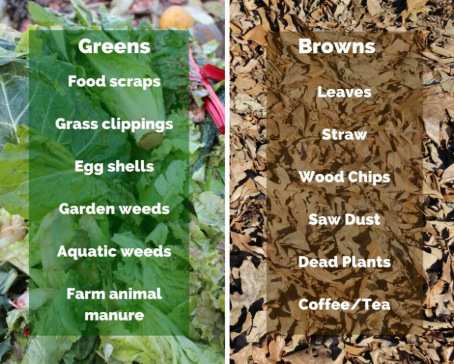
Filling the heap can be a gradual process as you have material to add. Only include uncooked organic matter and never add cooked food unless you are keen on attracting rats and other vermin. It is also best not to overdo with all of one sort of waste matter. To achieve the right consistency, you need a mix of what are often referred to as ‘browns’ and ‘greens’. Browns can include things like uncoated cardboard, paper, hard stems and small twigs; while greens include discarded vegetable leaves, peelings and of course, grass cuttings. Built up in layers they will reward you with a pleasant smelling valuable new soil.
|
|
The heap will naturally take time to mature and rot down. Depending on conditions that could mean 6 months or a year. Of course, you can also give it a little help from time to time. Turning the contents helps, as does adding a little water if it becomes too dry during the summer months. Another option is to use what’s called a compost accelerator, available from garden centres. Personally, I found something which was both free and amazingly effective. Not so long ago we had a pet house rabbit. Aside from chewing through table lamp wires, he was a big fan of my plot produce, especially carrot tops! Now rabbits are herbivores and so when they have finished eating (that never happens) they do what comes naturally. The resulting mixture of hay, urine, and pellets, from his litter box were added to my compost heap and in no time at all it was helping to speed up the process, ready to add fuel to the next row of veg and bunny’s next meal.
|
|
|
|
|
|
|
|
|
VOLUNTEERS NEEDED...VOLUNTEERS NEEDED...VOLUNTEERS NEEDED...
|
|
|
|
Are you able to support?
|
If you are interested in joining our volunteer litter picking team or would like to organise a group litter pick? Please contact Jackie to organise the collection of equipment. We are currently participating in the Great British Spring Clean - more details can be found on our website.
|
|

|
|
|
|
|
Please note the code to the leisure garden gates has now changed to: 1918
|
|
|
|
|

|
|
Click on the link for information on 'Trees for Cities'
|
|
|
|
|
|
|
|
|
|
Leisure Garden Representatives Update:
|
An update from our latest meeting:
|
|
Not all plot holders were aware of the code change. This will be added to the autumn newsletter 2026 and we will ensure it is added to the invoices in October.
|
|
Vast improvements this year with the scheduled maintenance over the winter.
|
|
The administration team are trying to source the company who is providing the woodchip to ensure it is evenly distributed across all sites.
|
It was noted how well communication has improved between the administration team, reps and plot holders.
|
|
|
|
|
|
Our Grounds Maintenance Facility is now open - we will notify you of our official opening ceremony.
|
|
|
|
|
|
A reminder from Ann to join SALGA the Swindon Allotments and Leisure Gardens Association. Even if you are not a member you are able to join their monthly meetings and cake mornings. On their website you can also find out when their next 'blade sharpening' session will be.
|
|
|
|
|
|
|
|
Water supply:
|
|
Our grounds maintainence team have now reinstated the water supply at all sites.
|
|

|
Useful Websites:
|

|
|
|
|
|
IMPORTANT NOTICE:
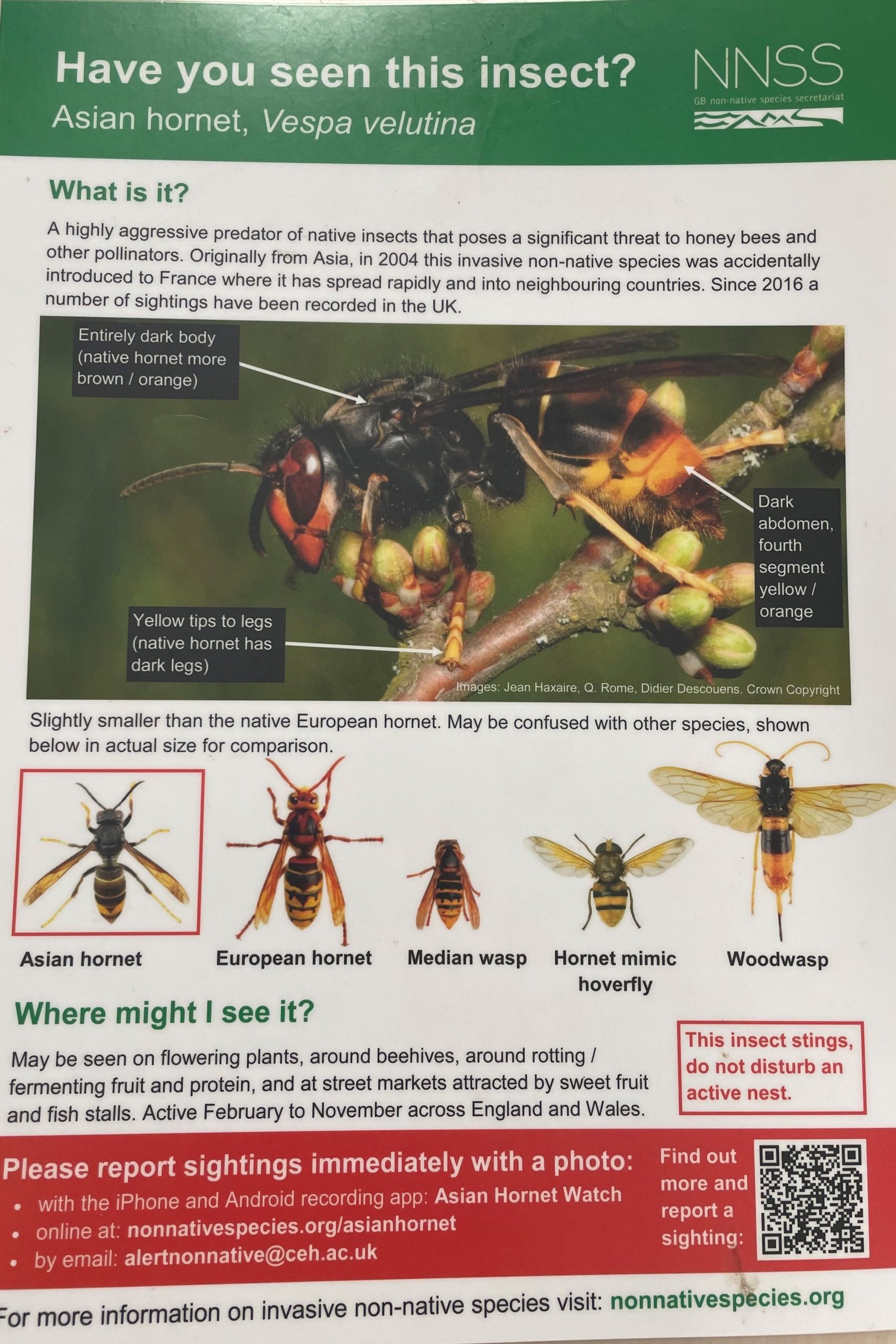
Asian hornet, Vespa velutina.
|
|
|
|
|
|
|
|
On this first day of Spring the memory of a very long, wet winter is behind us. Please do not stress that we have already undertaken the first inspections of the season. This was really only to identify the vacant plots - but hopefully now the sun is shining you will all be able to tend your plots at every opportunity. I look forward to seeing you when I am visiting the sites.
|
|
|
|
|
|
|
|