Flooding affects Haydon End, Oakhurst, Abbey Meads and Tadpole Garden Village. EN6, EN1 and EN2 set objectives but lack enforceable standards. The evidence is outdated and does not reflect repeated flood events since 2016.
Hotspots such as Thames Avenue, Queen Elizabeth Drive and Tadpole Lane have experienced repeated failures. Abbey Meads floods after storms. These are not mapped or prioritised for action.
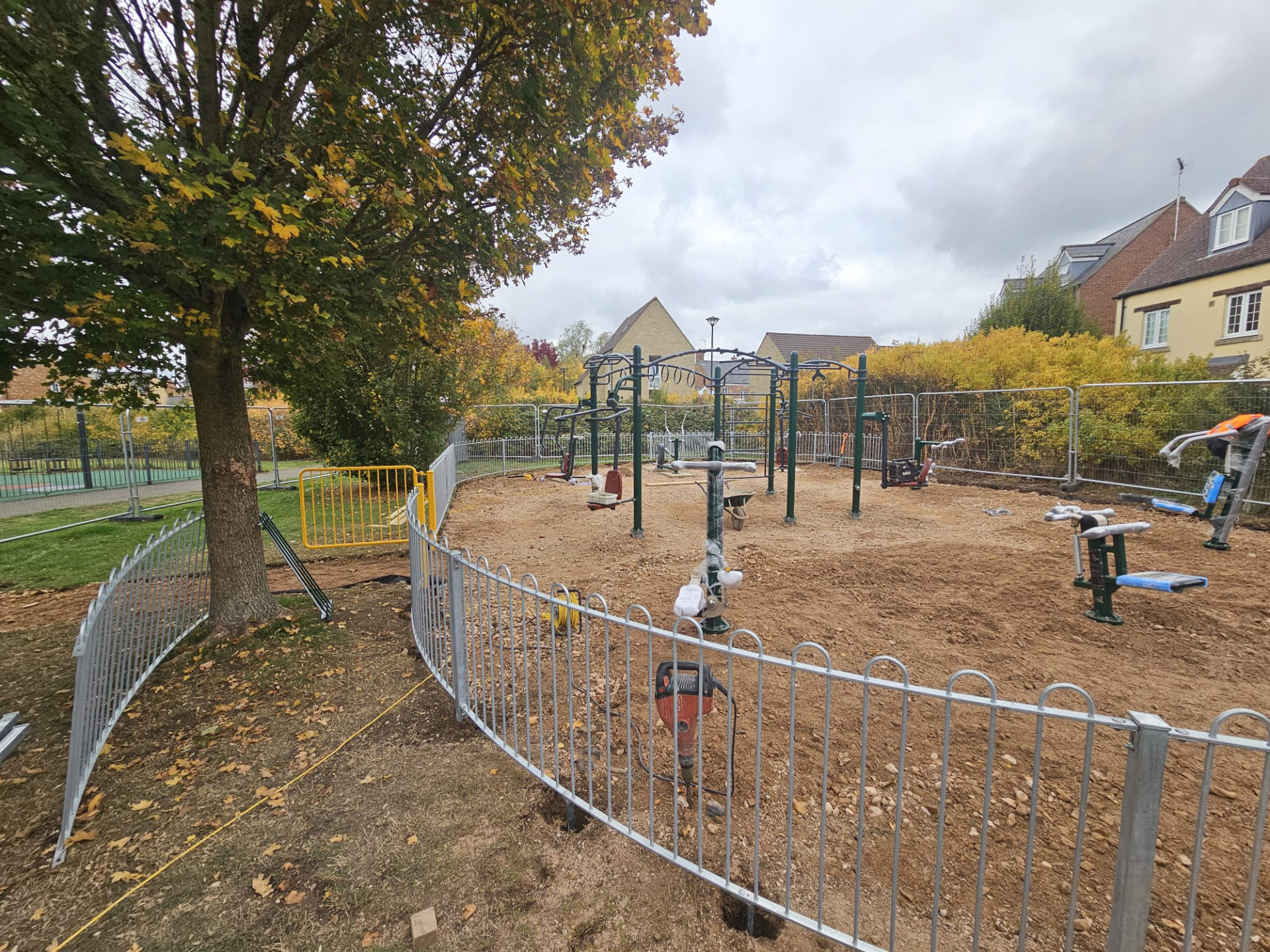
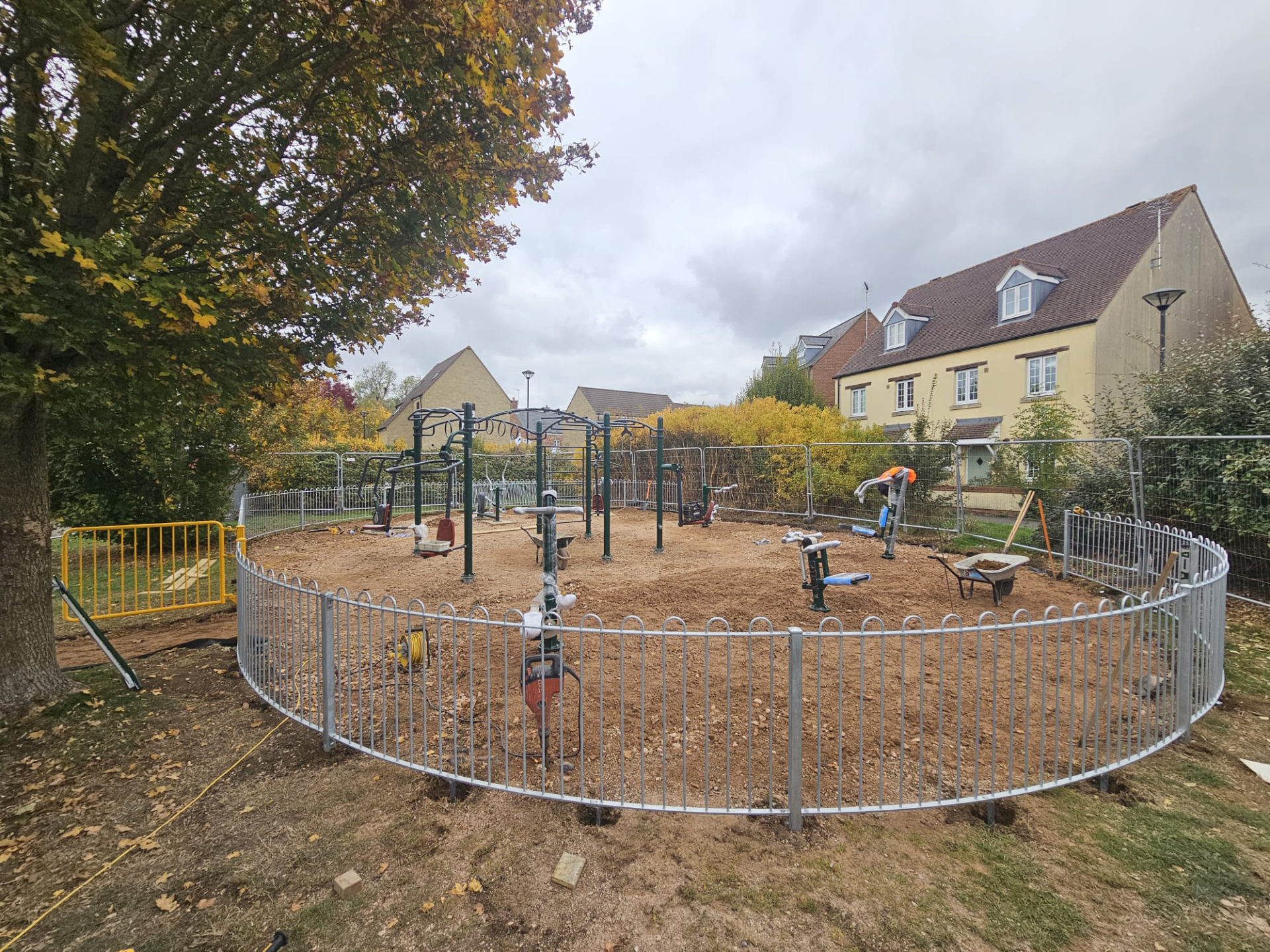
SuDS are inconsistent. In Tadpole Garden Village, basins were left unadopted and poorly maintained. Developers have used underground tanks instead of natural infiltration. Older estates rely on traditional drainage. Without clear standards and adoption frameworks, SuDS will not be reliable.
There are no measurable standards for permeable surfaces, canopy cover or shading. Mouldon Hill is isolated from surrounding areas and tree planting commitments have been scaled back. Green corridors are fragmented.
No SuDS register exists. Responsibility is split between developers, management companies and the Borough Council. Growth at Kingsdown and NEV will increase pressure on River Ray and Haydon Brook. Policy IN2 covers potable and foul water but not surface water capacity.
The evidence base predates major flood events and monitoring has not been published.
Positive elements:
• EN6, EN1 and EN2 provide a base framework
• Green infrastructure recognised as part of the solution
• Mouldon Hill identified as a strategic green site
Negative elements:
• Outdated flood risk evidence
• Hotspots not identified or prioritised
• Weak SuDS standards
• No adoption framework
• No measurable design standards
• No borough surface water strategy
• Cumulative impacts unaddressed
• Green commitments delayed
• No SuDS register
• Fragmented responsibility